
Phonics
 At Bewdley Primary School, we believe that every child can become a confident, fluent reader and writer. We teach phonics through Little Wandle Letters and Sounds Revised, a systematic synthetic phonics programme that provides a clear, structured approach to learning to read and spell.
Our phonics journey begins in Nursery, where children develop the foundations for reading through the Little Wandle Foundations for Phonics approach. This includes listening carefully, developing phonological awareness, enjoying rhymes and stories, and exploring sounds through play and purposeful activities.
In Reception, children begin the formal Little Wandle phonics programme, following a carefully sequenced progression that continues into Year 1 and beyond where additional support is needed. Children build on their growing knowledge of the alphabetic code, learning to recognise sounds, blend them to read words and segment them to spell.
We also model and encourage children to apply their phonics knowledge through shared reading and writing, both within phonics lessons and across the wider curriculum. Language development is an important part of our approach, as we recognise that speaking, listening and vocabulary are essential foundations for successful reading and writing.
How We Teach Phonics
Children in Reception and Year 1 are taught phonics daily through structured Little Wandle lessons. These introduce new sounds and provide regular opportunities to revisit previous learning, practise blending and segmenting, and apply phonics knowledge when reading and writing.
Children's progress is regularly assessed so that teachers can identify any gaps in learning and provide additional support where needed. This helps children develop confidence and fluency as they move through the programme.
 Reading in EYFS and Key Stage One
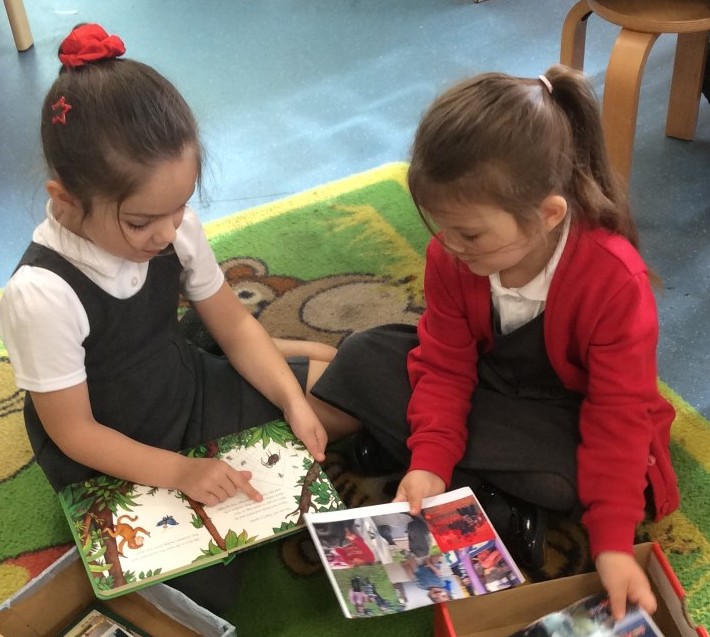
At Bewdley Primary School, we value reading as a crucial life skill. We want children to become confident readers who understand what they read and develop a lifelong enjoyment of books. Children develop their reading through carefully planned opportunities to practise decoding, build fluency and develop comprehension. Reading books are matched to children's developing phonics knowledge so that they can practise and apply the sounds they have learned. Alongside learning to read independently, children enjoy stories, rhymes and a wide range of books that help develop their vocabulary, imagination and love of reading.
Supporting Phonics at Home
We know how important parents and carers are in supporting children's early reading development. The Little Wandle resources below provide useful guidance and videos showing how sounds are pronounced and how phonics is taught in school. They can help you feel confident when supporting your child's reading and writing at home.
Useful Videos and Resources
- Phase 2 sounds taught in Reception – Autumn 1
- Phase 2 sounds taught in Reception – Autumn 2
- Phase 3 sounds taught in Reception – Spring 1
- How to say Phase 5 sounds
- How we teach phonics
- Supporting your child with reading
The Year 1 Phonics Screening Check
Towards the end of Year 1, children take part in the statutory Phonics Screening Check. This is a short assessment designed to check how confidently children can use their phonics knowledge to read familiar and unfamiliar words. Children are prepared through their everyday phonics learning, and we aim to make the experience as positive and reassuring as possible. Children who need further support continue to receive phonics teaching and additional practice to help them develop their reading skills.
Our Phonics Progression
Our phonics curriculum follows the carefully structured Little Wandle Letters and Sounds Revised progression, ensuring that children build their knowledge and skills systematically. Parents and carers can find further information about the sounds and spelling patterns taught throughout Reception and Year 1 in the programme overview below.
Little Wandle Letters and Sounds Revised – Reception and Year 1 Programme Overview