Science
 We want children to be curious about the world around them, ask questions and enjoy discovering how things work. Science provides exciting opportunities for children to explore, investigate and develop a deeper understanding of the natural and physical world.
Our science curriculum encourages children to think like scientists. Through practical activities, investigations and discussion, children learn to observe carefully, make predictions, test their ideas and use evidence to explain what they have discovered. We want children to understand that science isn't simply about knowing facts – it's about asking questions, exploring possibilities and finding things out for themselves.
Science is generally taught in blocks, allowing children to immerse themselves in a particular area of learning and build their knowledge and understanding over a series of connected lessons. Our curriculum is organised around engaging questions that encourage curiosity and give children a clear purpose for their learning.
As children progress through school, they develop their scientific knowledge alongside the skills needed to work scientifically. They become increasingly confident in planning investigations, recording results, drawing conclusions and using accurate scientific vocabulary to explain their thinking.
Above all, we want children to enjoy science, recognise its relevance to everyday life and leave Bewdley Primary School with the curiosity, knowledge and confidence to continue exploring the world around them.
Working Scientifically
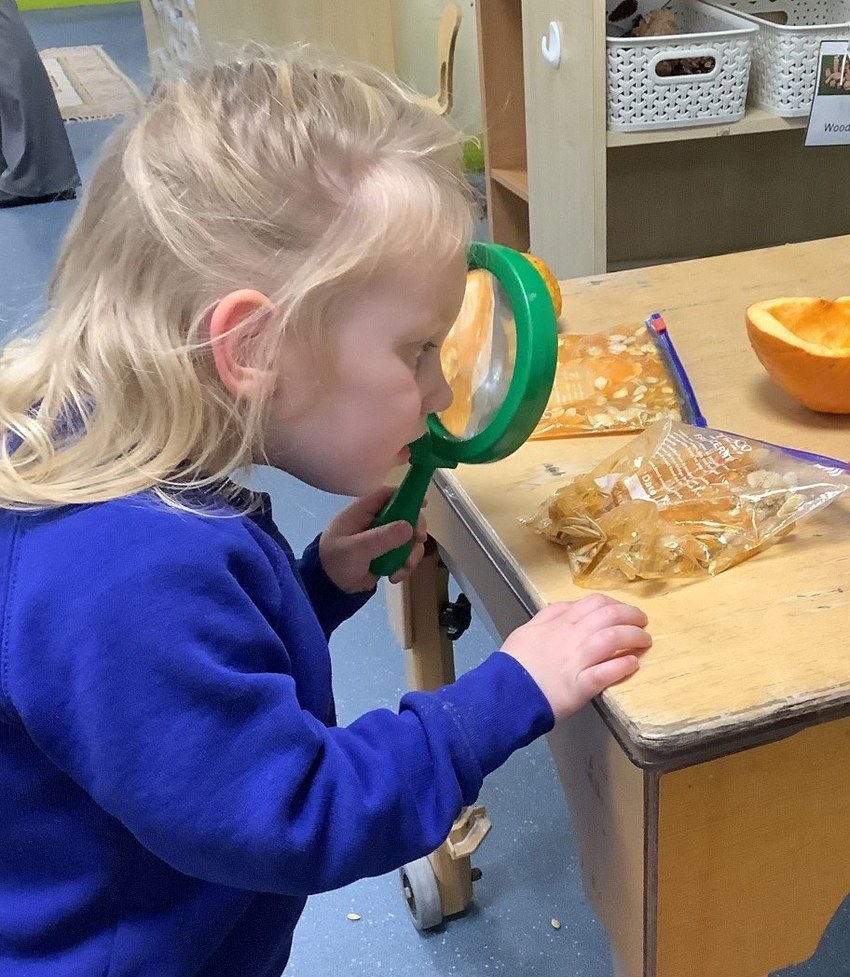
Practical investigation is an important part of science at Bewdley Primary School. Children are encouraged to explore scientific ideas for themselves, ask questions and discover answers through hands-on experiences.
From making simple observations and carrying out investigations in Key Stage 1 to planning fair tests, controlling variables and evaluating evidence in Key Stage 2, children develop the skills needed to think and work like scientists.
As they progress through school, children become increasingly confident in:
- Asking scientific questions and making predictions.
- Planning and carrying out practical investigations.
- Observing, measuring and recording results.
- Identifying patterns and drawing conclusions.
- Using scientific vocabulary to explain their findings.
- Considering the reliability of their results and how investigations could be improved.
We want children to understand that scientific discoveries don't always happen as expected and that questioning, investigating and learning from results are all important parts of the scientific process.
 Science Beyond the Classroom
We recognise that some of the best opportunities for scientific discovery happen outside the classroom. Our school grounds and local environment provide valuable opportunities for children to explore the natural world and see their scientific learning in action.
Whether observing seasonal changes, identifying plants and trees, exploring habitats or investigating the living things around them, children are encouraged to use their curiosity and scientific skills in real-life situations.
Learning outdoors helps children make meaningful connections between what they learn in lessons and the world around them. It also encourages them to develop an appreciation of the natural environment and understand the importance of caring for it.
Bringing Science to Life
We believe that memorable experiences help children develop a lasting enthusiasm for science. Alongside their classroom learning and practical investigations, children have opportunities to explore scientific ideas through special events, educational visits and exciting experiences.
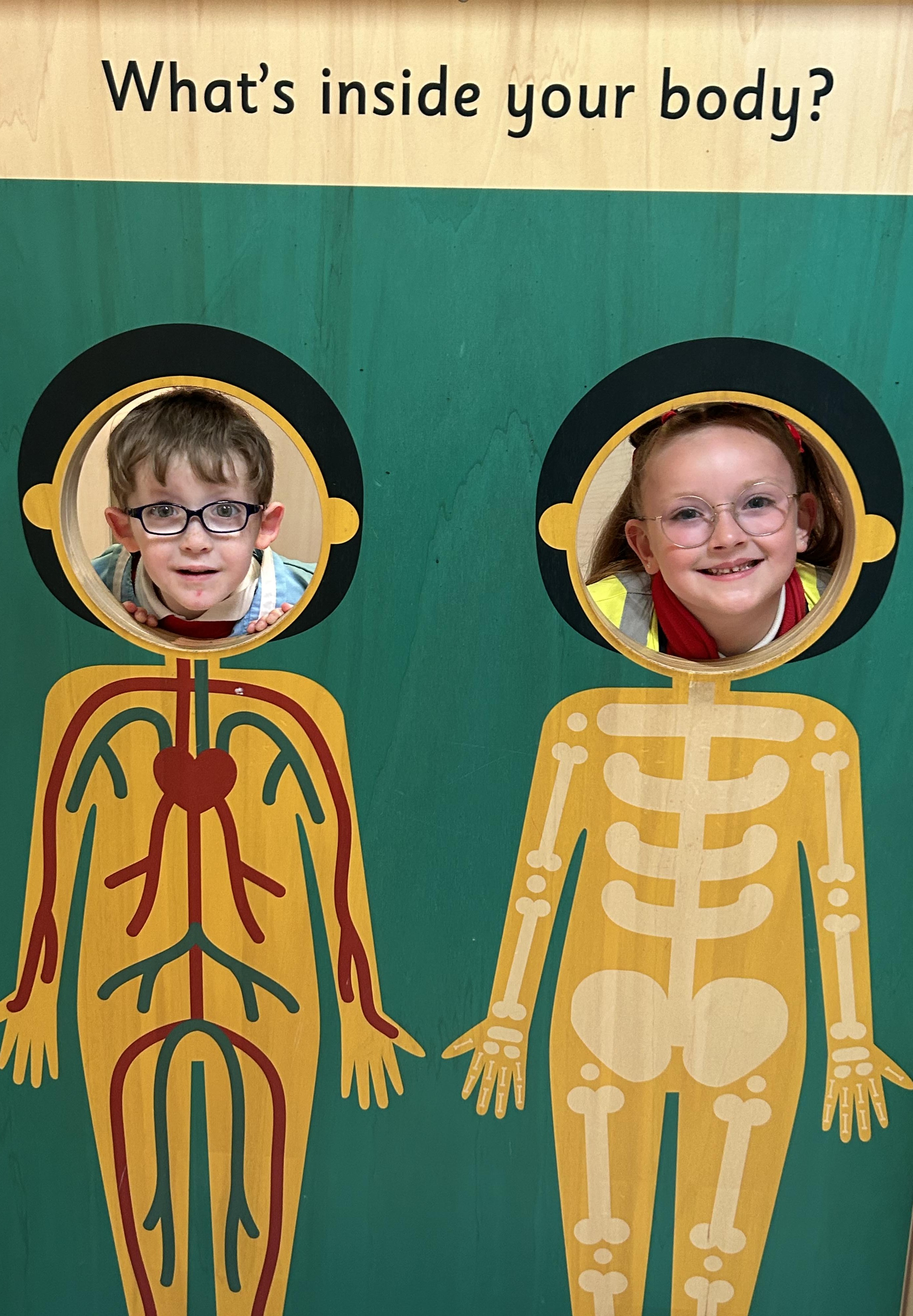
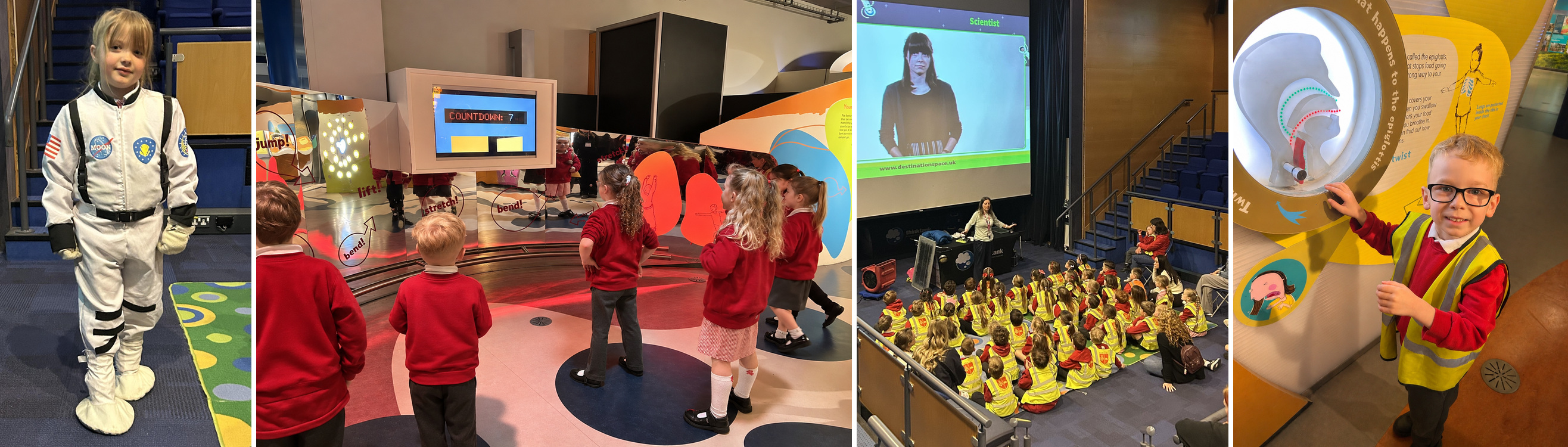
Our annual Science Week provides an opportunity to celebrate science across the school, encouraging children to explore, investigate and discover. Educational visits and visitors also help bring scientific learning to life. In Year 1, children visit Thinktank Science Museum, where they can explore science through interactive exhibits and hands-on experiences. In Year 5, a visiting planetarium brings the wonders of space into school, supporting children's learning about the Earth, Moon and solar system.
These experiences help children see science in new and exciting ways, make connections with their classroom learning and recognise just how fascinating the world around them can be.
Our Science Curriculum
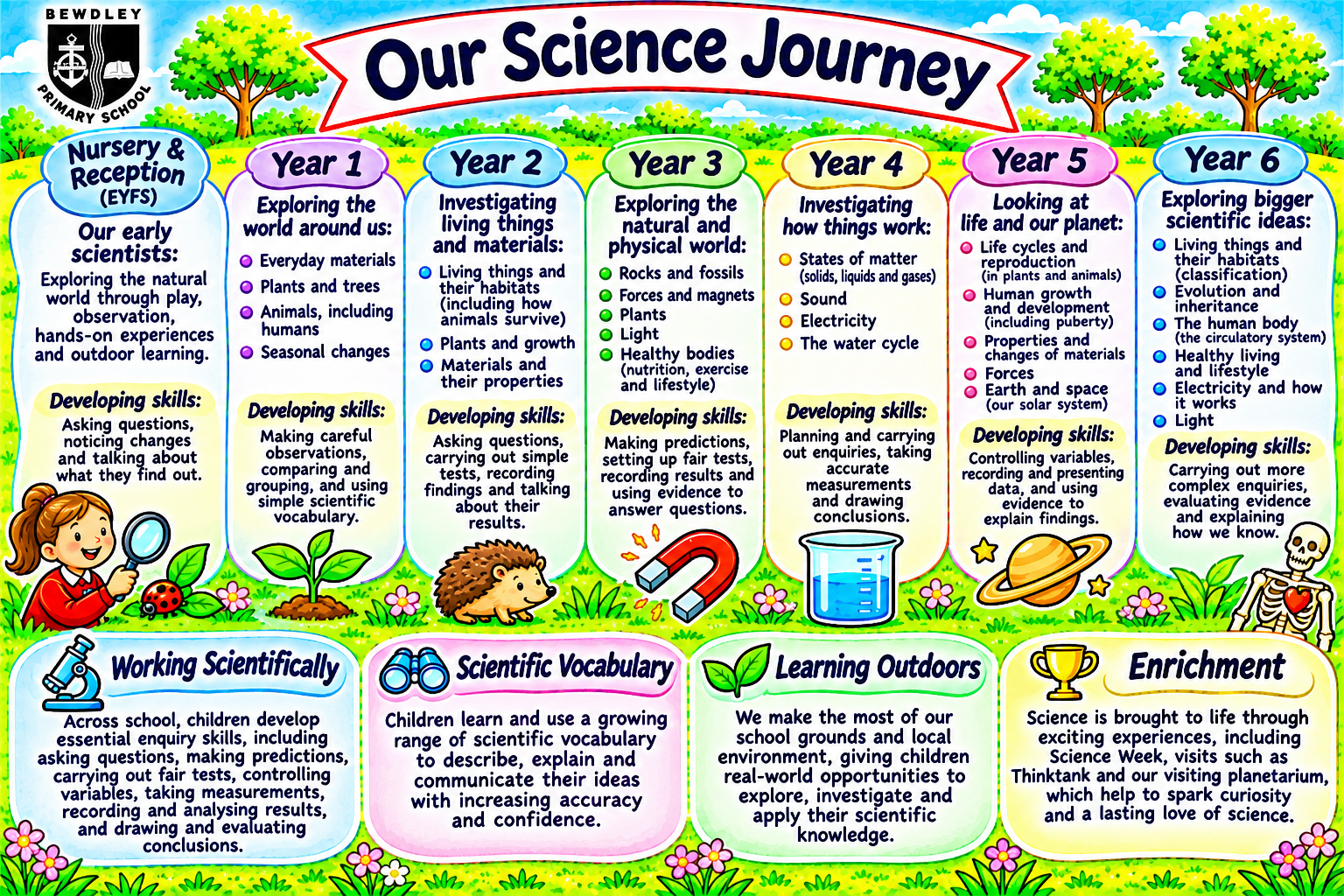
Our science curriculum builds progressively from the early exploration and discovery that takes place in Nursery and Reception through to increasingly complex scientific knowledge and investigations in Key Stage 2.
Children revisit and build upon their understanding of key scientific concepts, developing the knowledge, vocabulary and investigative skills needed to ask questions, explore ideas and explain their findings with increasing confidence and independence.
Our Science Curriculum Overview provides a year-by-year summary of what children learn throughout their time at Bewdley Primary School.