History
We believe that History should inspire curiosity, encourage children to ask questions and help them develop a deeper understanding of the world around them. Through our carefully planned and engaging curriculum, we aim to bring the past to life, helping children understand how people lived, how societies have changed and how historical events continue to shape our lives today.
Our History curriculum takes children on a journey through time, exploring significant people, events and civilisations from Britain and across the wider world. From the Stone Age and Ancient Egypt to the World Wars and more recent history, children develop their historical knowledge alongside the skills needed to investigate, question and interpret the past. They learn to examine evidence, consider different perspectives, make connections between historical periods and develop an understanding of chronology.
We are particularly fortunate to be situated in Bewdley, a town with a rich and fascinating history. We make the most of our local heritage, giving children opportunities to explore the history of their own community and understand its connections to wider national and international events.
History at BPS is about much more than learning facts and dates. Through historical visits, engaging visitors, practical activities and creative opportunities to share their learning, we aim to make History meaningful, memorable and enjoyable. Above all, we want our children to leave Bewdley Primary School with a genuine interest in the past, the confidence to ask thoughtful questions and an understanding of why History matters.
Our History Curriculum
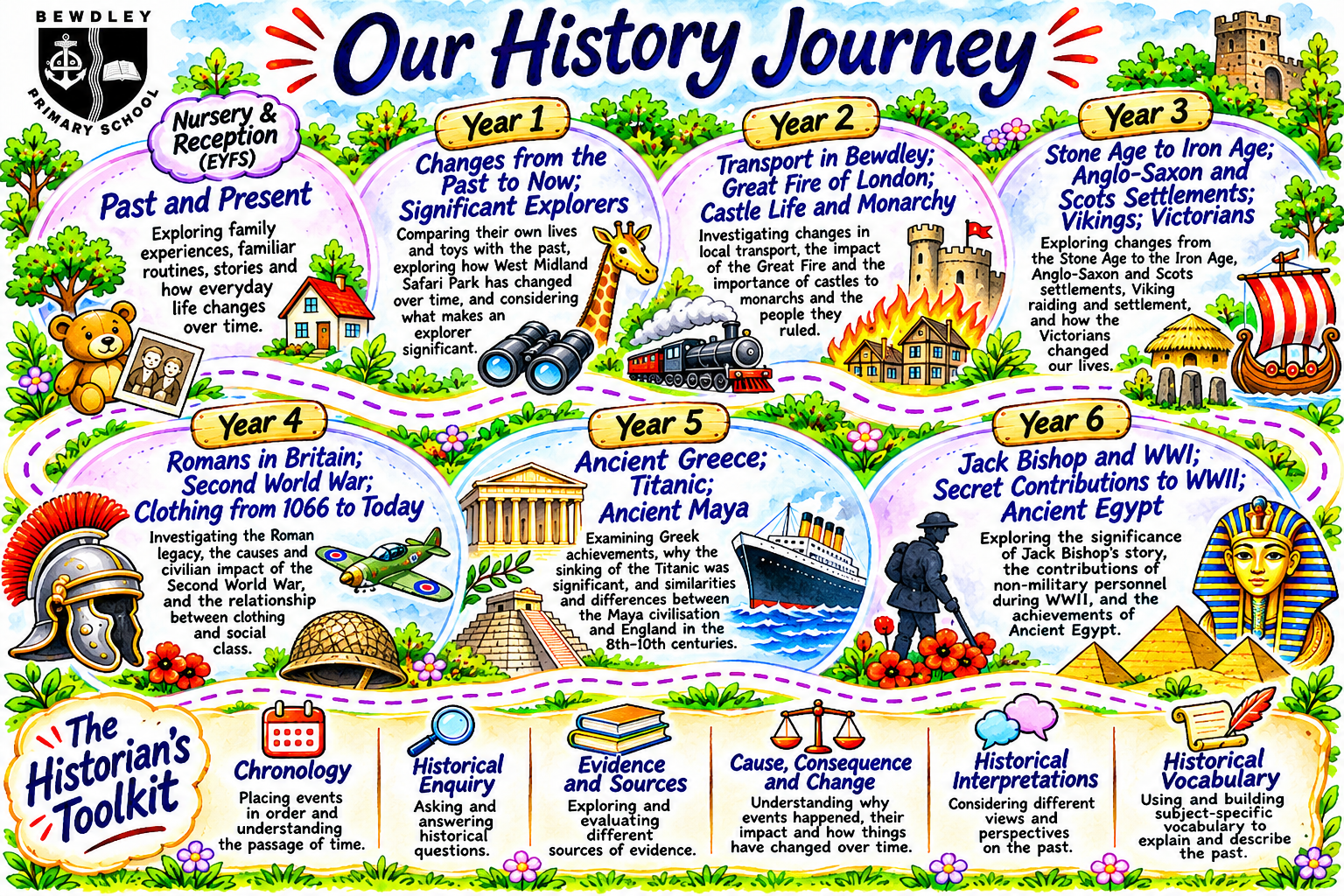
Our History curriculum is carefully structured to help children build their knowledge and understanding of the past as they progress through school. Each year group explores a range of historical periods, significant events and influential individuals, developing an increasingly detailed understanding of British and world history.
In the Early Years Foundation Stage (EYFS), children begin to develop their understanding of the past and present through stories, conversations, play and everyday experiences. They explore similarities and differences between life now and in the past, talk about their own experiences and those of their families, and begin to recognise how things change over time. These early experiences, particularly through the Understanding the World area of learning, provide important foundations for historical learning in Key Stage 1.
In Key Stage 1, children begin by exploring changes within and beyond living memory, making comparisons between the past and present. They investigate significant individuals and events, developing an early understanding of chronology and how life has changed over time.
As children move into Key Stage 2, their learning broadens to include ancient civilisations, significant periods of British history and important events that have shaped the wider world. Children explore how societies developed, why historical events happened and the impact they have had on the lives of people both then and now.
Throughout their time at BPS, children develop the skills to think and work like historians. They learn to:
- Understand chronology – placing events and periods in order and recognising connections between different times in history.
- Investigate historical evidence – exploring sources of information and considering what they can tell us about the past.
- Ask questions and make enquiries – developing curiosity and using their historical knowledge to investigate people, events and changes.
- Recognise cause and consequence – understanding why events happened and the impact they had.
- Identify similarities and differences – comparing life across different historical periods and societies.
- Consider different interpretations – recognising that the past can be represented and understood in different ways.
- Communicate historical understanding – using appropriate historical vocabulary to explain ideas, draw conclusions and share findings.
By revisiting and building upon these important historical concepts, children develop the knowledge, skills and confidence to make meaningful connections across their learning.
Bringing History to Life
At Bewdley Primary School, we believe that some of the most memorable historical learning happens when children have the opportunity to experience the past in exciting and meaningful ways. Visits, visitors, practical activities and creative projects are an important part of our History curriculum, helping children deepen their understanding and develop a genuine enthusiasm for the subject.
Throughout their time at BPS, children enjoy a wide range of experiences that bring their learning to life. These include:
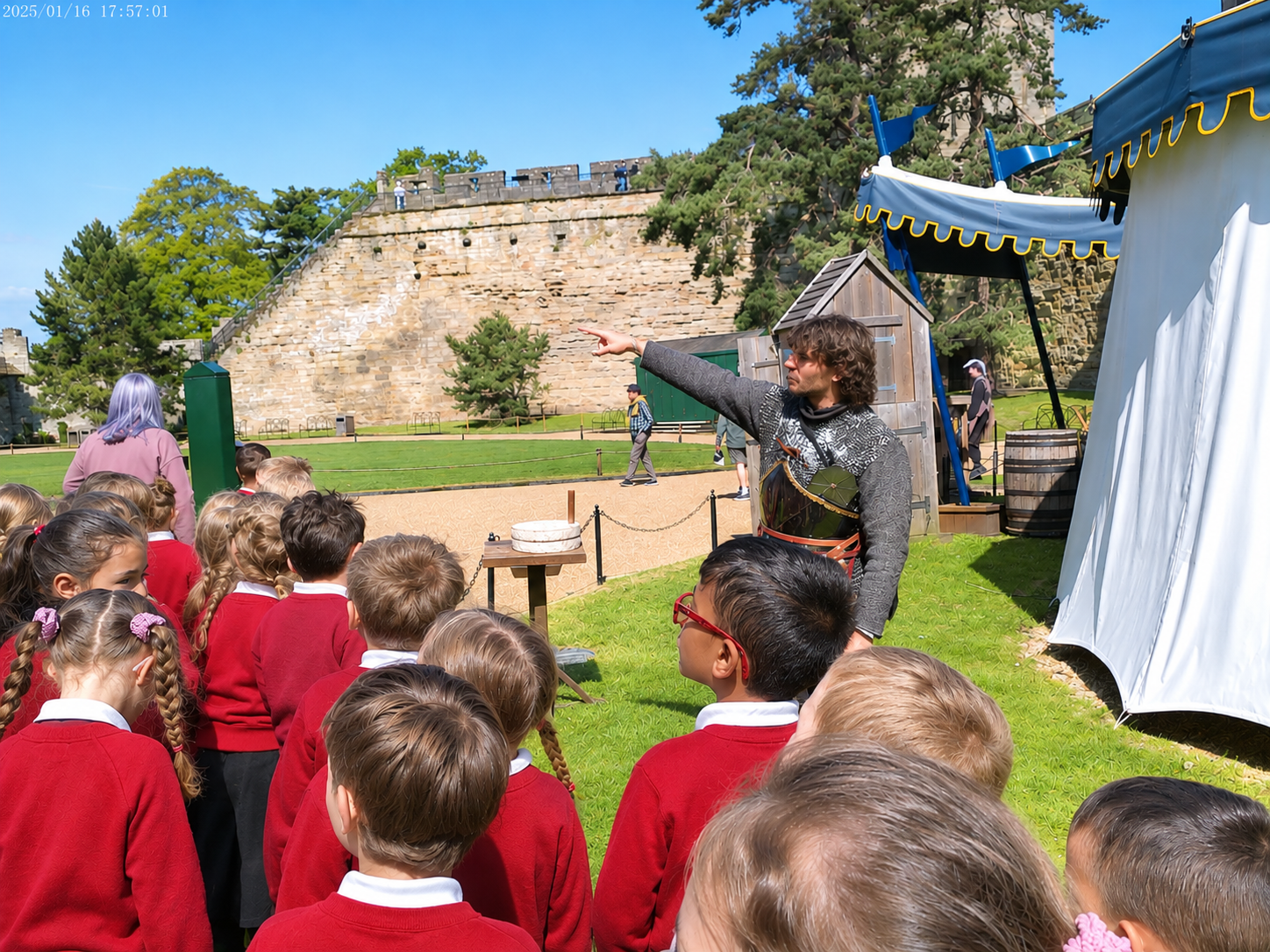
- Historical visits – exploring places such as Warwick Castle, as well as visiting sites linked to the Victorians and the Second World War.
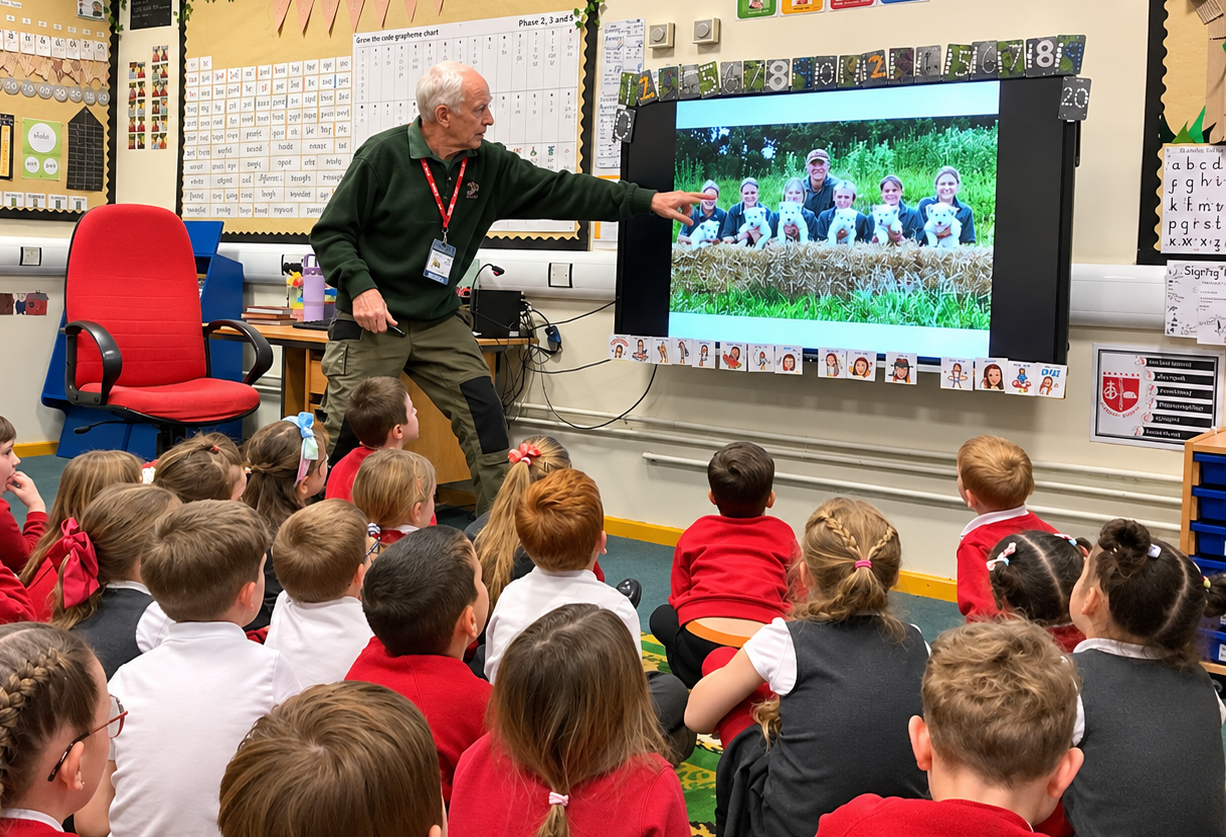
- Visitors and workshops – from meeting a Viking visitor and exploring life in the past to welcoming visitors from West Midland Safari Park, who help our youngest historians discover how the park has changed over time.
- Local history – investigating Bewdley's rich heritage, including the remarkable story of Jack Bishop. Year 6 children meet members of his family before visiting significant locations around the town to create their own historical news reports.
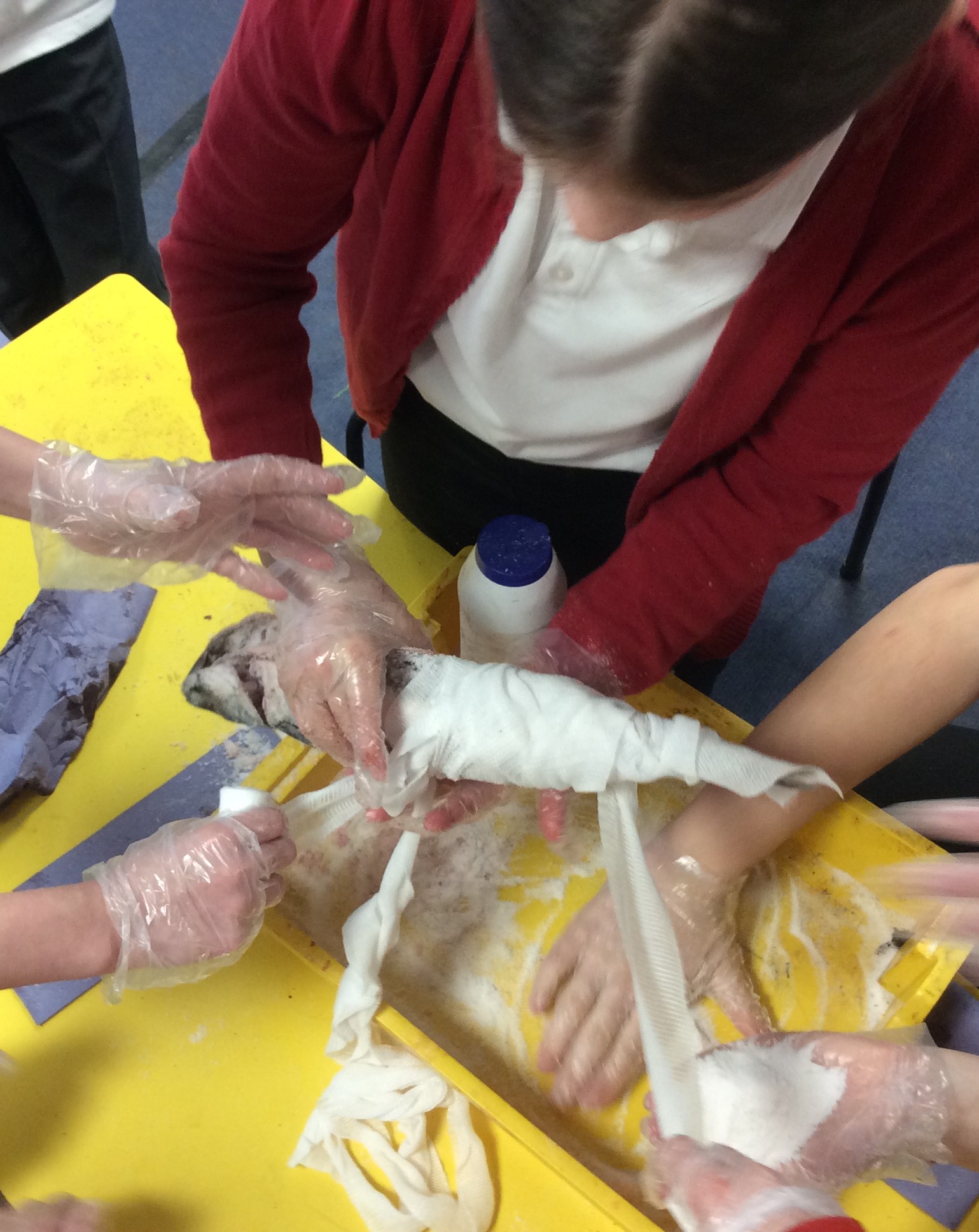
- Practical historical learning – from recreating Viking settlements to exploring Ancient Egyptian mummification by mummifying mackerel!
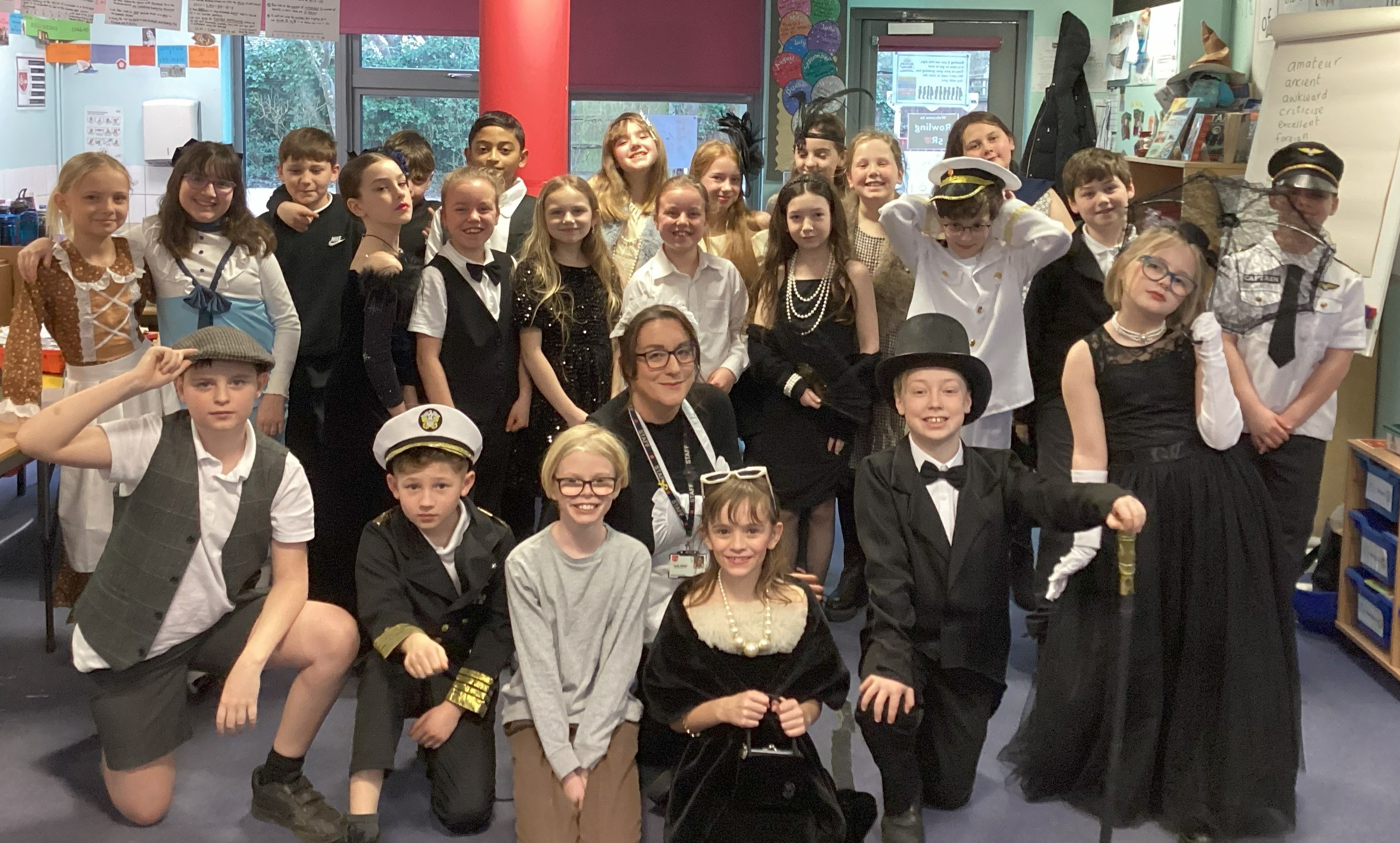
- Sharing our learning – Year 5 children create their own interactive Titanic Experience, inviting parents and carers into school to explore their exhibits and discover what they have learnt.
These experiences help children make connections between their classroom learning and the wider world, encouraging curiosity, developing historical understanding and creating lasting memories.
History Curriculum Documents
Our History Curriculum Overview outlines the historical periods, significant events and key enquiry questions explored by children throughout their time at Bewdley Primary School. It demonstrates how learning develops from the early foundations of understanding the past and present in EYFS through to increasingly complex historical enquiries in Key Stage 2.